Chasing the Biggest Lottery Jackpots Ever: What Players Actually Notice
Published October 18, 2026

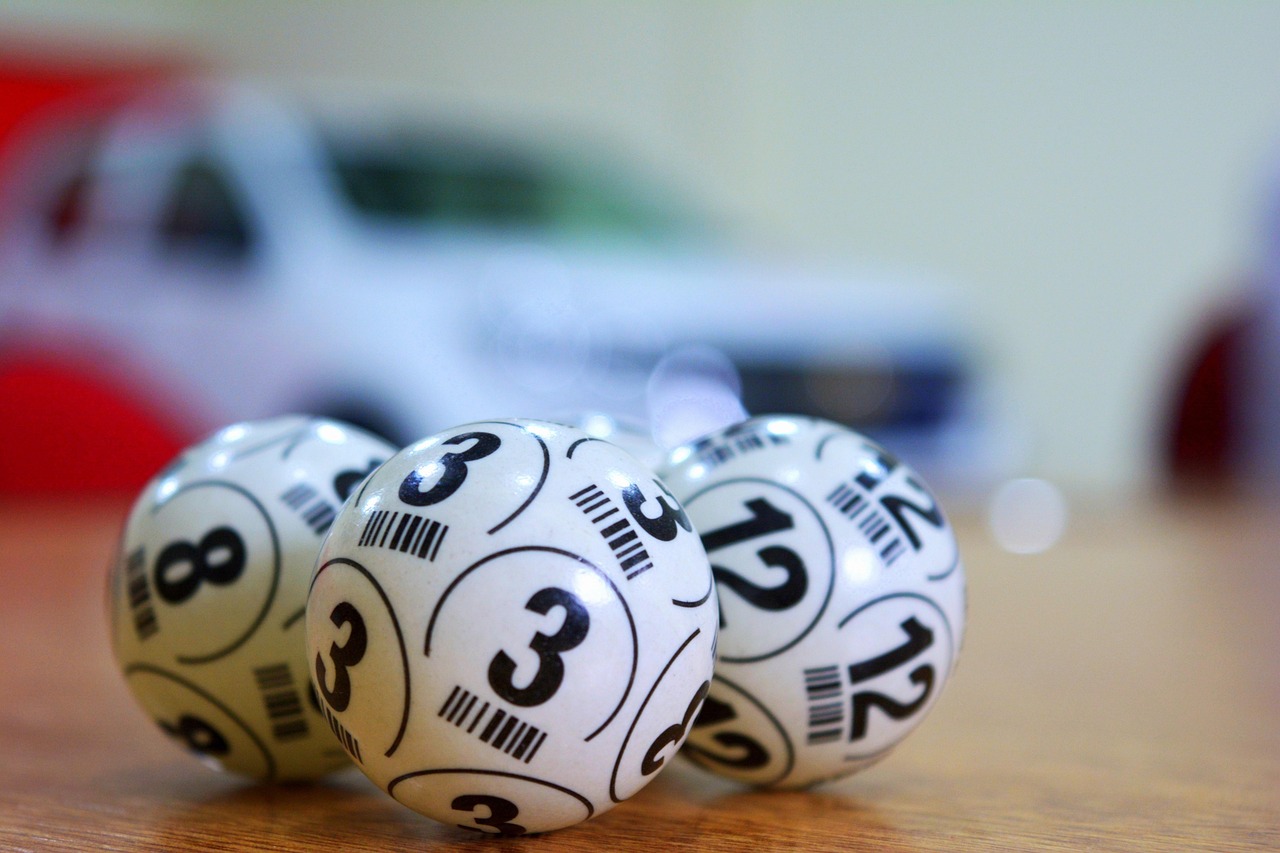
Image by ChiniGaray (Pixabay)
Hey, if you're anything like me, every now and then you catch yourself wondering about those massive jackpots that make headlines. The biggest lottery jackpots ever tend to come from games that let the prize roll over when nobody wins, and that simple mechanic is what turns a decent payout into something that feels almost unreal. It doesn't happen every draw, but when the stars align (or rather, when the numbers don't), the pot keeps growing and the hype follows right along.
Powerball and Mega Millions in the States are the usual suspects for these monster prizes, while EuroMillions often joins the conversation across the pond. What they all share is a structure that rewards patience from players and creates those long rollover streaks that push the top prize higher. I like to think of it as the lottery version of compound interest, except instead of steady growth you get sudden spikes that make everyone check their tickets twice.
If you're curious how one of the biggest games actually works on a day-to-day basis, this guide on the Powerball jackpot today walks through the basics without the usual fluff. It's the kind of straightforward info that helps when you're trying to keep track of whether the current draw is worth a ticket or two.
Big jackpots are exciting, but the real story is how the game mechanics create those rollovers in the first place.
One thing I've noticed over the years is that the conversation around the biggest lottery jackpots ever usually circles back to the same handful of games. Different countries have their own favorites, yet the pattern stays familiar: a few missed draws, some media coverage, and suddenly the whole thing feels like an event. That said, it's worth remembering that these huge prizes are the exception rather than the rule. Most draws pay out smaller amounts that still change lives for the winners.
| Lottery | Typical Region | Why Jackpots Grow |
|---|---|---|
| Powerball | United States | Long rollovers when no one matches all numbers |
| Mega Millions | United States | Similar rollover structure with large player base |
| EuroMillions | Europe | Multi-country format that builds bigger pots over time |
People sometimes ask me whether it's better to chase the current big one or stick with smaller, more frequent games. There's no perfect answer, but I usually lean toward playing what feels fun rather than chasing the absolute biggest prize. The odds are long in any case, so the decision often comes down to how much you enjoy the ritual of picking numbers and checking results.
For a broader look at how lotteries have evolved over time, the Wikipedia entry on lotteries gives a solid overview of their history and different formats around the world. It's a nice reminder that while the jackpots get the attention, the games themselves have been around in various forms for centuries.
- Jackpots grow mainly through rollovers when there's no winner
- Popular multi-state or multi-country games tend to produce the largest prizes
- Media coverage often amplifies interest once the prize crosses certain thresholds
- Smaller games can still offer life-changing wins without the same level of frenzy
At the end of the day, whether you're eyeing one of the biggest lottery jackpots ever or just playing your usual numbers, it's always smart to keep things in perspective. Play for the fun of it and only spend what you can comfortably afford. The thrill is real, but so is the importance of treating it as entertainment rather than a plan.
One last thought: the biggest prizes tend to come with the most attention, which can make the smaller wins feel almost ordinary by comparison. Yet plenty of players have life-changing moments on draws that never made front-page news. Keeping that balance in mind helps when the next big rollover starts making the rounds again.