How to Check Your Lottery Numbers Calmly (Without the Classic Mix-Up)
Published July 16, 2026
Last updated October 18, 2026
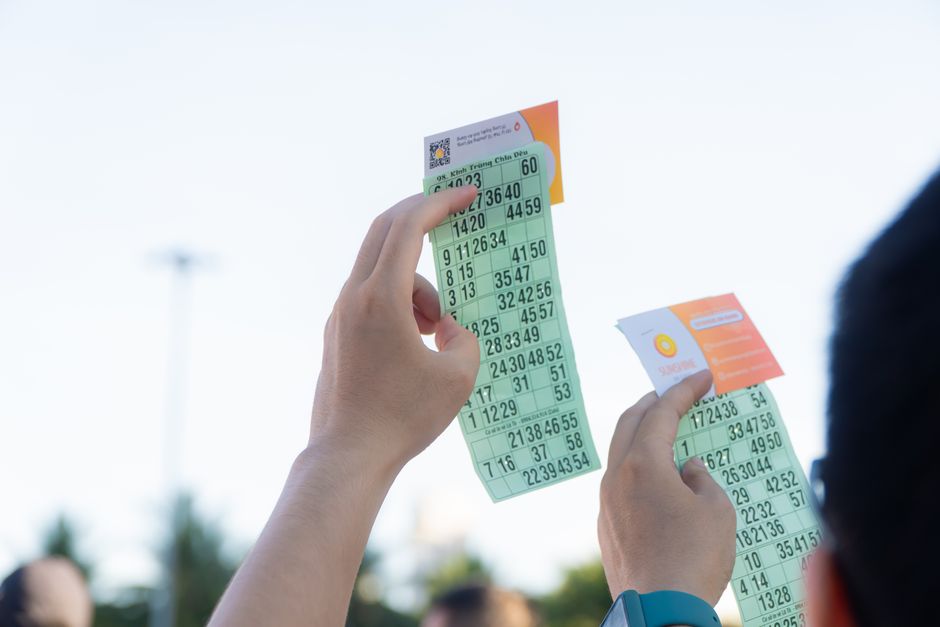
Photo by Quyn Phạm (Pexels)
You bought a ticket, the drawing happened, and now there's that familiar jolt of "wait, did I actually check this yet?" panic. Checking your lottery numbers should be straightforward, yet plenty of folks still trip over the same simple errors that either cost them a win or spark false hope over a dud. The good news is that a calm, methodical approach keeps things fun instead of frustrating. Here's a detailed playbook for today's mix of paper and digital tickets, plus the game-format quirks that trip up even experienced players.
Start With the Actual Ticket or Digital Record, Not Your Memory
Always verify against the real thing rather than what you vaguely remember playing. Phone confirmations and mental snapshots are handy, but they can miss a digit or the exact draw date. Your ticket (or the digital receipt in your app or online account) shows the precise numbers, game type, and draw date, and all three must match the official results. If you bought multiple lines or a multi-draw ticket, scan every single combination separately. It's surprisingly common to have one total loser sitting right next to a small winner on the same slip, and rushing past it is how small prizes get left on the table. Pro tip: snap a quick photo of the ticket right after you buy it, timestamp and all, so you have a backup if the paper version vanishes into a coat pocket.
Use an Official or Reliable Source
Once the ticket is in hand, grab the winning numbers from a source you actually trust. Official game sites remain the gold standard, and our own Powerball results page or Mega Millions results page are useful when you're catching up on several drawings or want to compare numbers across weeks without digging through old emails. Whatever source you choose, double-check the date. This remains the single biggest checking mistake: people compare their ticket to the wrong night's numbers, especially with games that draw multiple times a week. Many games skip certain days, so a purchase made right before one drawing can easily get mixed up with a later one if you're not paying attention. Many official apps now offer push notifications, which can cut down on that "which draw was this again?" confusion.
Know Your Game's Format Before You Check
One reason people mischeck tickets is that they assume every lottery works the same way. It doesn't. Some games ask you to match a small set of numbers only, while others add one or two extra "bonus" numbers drawn from a separate pool. Knowing the format of the specific game you played tells you exactly what to look for and helps you understand why a near-miss still might (or might not) pay something.
| Game | Numbers You Pick | Jackpot Odds |
|---|---|---|
| Powerball | 5 from 1–69, plus 1 from 1–26 | 1 in 292,201,338 |
| Mega Millions | 5 from 1–70, plus 1 from 1–24 | 1 in 290,472,336 |
| EuroMillions | 5 from 1–50, plus 2 from 1–12 | 1 in 139,838,160 |
| EuroJackpot | 5 from 1–50, plus 2 from 1–12 | 1 in 139,838,160 |
| UK Lotto | 6 from 1–59 | 1 in 45,057,474 |
| NY Lotto | 6 from 1–59 | 1 in 45,057,474 |
| Mega-Sena | 6 from 1–60 | 1 in 50,063,860 |
| Irish Lotto | 6 from 1–47 | 1 in 10,737,573 |
Notice the split: games like Powerball, Mega Millions, EuroMillions, and EuroJackpot have two separate pools of numbers, so you need to check your main numbers and your bonus number(s) against two different parts of the draw result. Games like UK Lotto, NY Lotto, Mega-Sena, and Irish Lotto use a single pool, so there's no separate bonus ball to track in the same way (though some of these games add their own bonus-ball features for certain prize tiers, which is worth confirming on the official rules page for that specific game). If you regularly play more than one lottery, it helps to keep this distinction in mind, because applying Powerball logic to a single-pool game (or vice versa) is an easy way to misread your own ticket.
Matching Numbers Isn't All-or-Nothing
Plenty of players assume that anything short of the jackpot means zero payout, but that's not how these games work. Games with a separate bonus number typically award prizes across multiple tiers. Matching just the bonus number by itself can still land you a small prize, and adding a few main numbers alongside it bumps the amount up. It's worth glancing at the full prize chart for that drawing instead of eyeballing only the jackpot line, because the tiers aren't always intuitive. Three main numbers without the bonus pays differently than two numbers plus the bonus, for example, and skipping the chart means you might walk away from money you actually earned. For a quick example, a single Powerball ticket matching four white balls plus the Powerball usually pays noticeably more than the same four white balls without it, which is exactly why reading every row of the tier chart matters, not just the top one.
- Match the ticket's draw date to the correct drawing
- Check every line if you played multiple sets
- Confirm which numbers are "main" numbers and which are bonus numbers for that specific game
- Compare against an official source, not secondhand info
- Look at the full prize tier chart, not just the jackpot line
- Keep the ticket safe until you've verified it, and even after
- Photograph paper tickets right after purchase for an easy backup record
Retailer Scanners and Apps Help, But Verify Anyway
Most lottery retailers have a barcode scanner that instantly tells you if a ticket is a winner, and many official apps let you scan with your phone. These tools are genuinely convenient and usually accurate, but they're not perfect. Store scanners sometimes carry outdated data right after a drawing, so a "loser" result on a ticket you're fairly sure about deserves a quick manual double-check against the posted numbers before you toss it. The same goes for digital tickets stored in apps: make sure your app is updated so the scanner uses current results. If the scanner still says no but your manual check says maybe, a quick call to your state or operator's lottery hotline can clear it up without drama.
Comparing the Main Ways to Check a Ticket
There's no single "best" way to check every ticket, but each method has trade-offs worth knowing before you rely on it.
| Method | Strength | Watch Out For |
|---|---|---|
| Official website or app | Most accurate and current results | Needs you to read the numbers yourself, including tier charts |
| Retailer in-store scanner | Instant, no manual comparison needed | Can lag right after a drawing; not useful for digital tickets |
| Official app with ticket scan | Combines speed with accuracy if updated | Requires app to be current and ticket to be stored or scanned correctly |
| Third-party news sites or social media | Convenient and fast to find | Risk of outdated, wrong, or unofficial numbers |
If You Actually Win Something Significant
Smaller prizes are usually cashed in at a retailer or through the app. But when you're looking at a clearly substantial match, don't sign the back of the ticket right away or start texting everyone you know. Pause, put the ticket somewhere secure, and look up the claim process for your state or operator. Larger prizes typically require an in-person visit to a lottery office plus some paperwork; our guide on claiming a lottery prize walks through that process step by step. This is also a good moment to remember that lottery play is entertainment, not a financial plan, so only spend what you're comfortable losing. If checking numbers ever starts feeling more like stress than fun, that's your cue to dial it back.
Don't Forget Digital Tickets and Second-Chance Options
One angle that often gets overlooked is the rise of digital play. If you bought online or through an app, your ticket lives in your account rather than your wallet, so log in and check your purchase history instead of hunting through coat pockets. Many lotteries also run second-chance drawings where non-winning tickets can be entered for extra prizes. Holding onto losing tickets a little longer, within the claim window, can sometimes turn a dud into another shot. Just set a calendar reminder for the claim deadline, since expired tickets are the saddest stories at the lottery office. Some apps even let you enter second-chance drawings with a single tap, so the habit becomes almost automatic. If you play as part of a group, it's also worth reviewing how shared tickets get checked and claimed; our syndicate rules guide covers that in detail.
Common Mistakes People Make When Checking Tickets
- Checking the wrong drawing night: mixing up midweek and weekend results is the most frequent error.
- Ignoring smaller prize tiers: assuming anything short of the jackpot is worthless.
- Relying only on memory: trusting what you think you played instead of the actual ticket.
- Trusting unofficial sources: screenshots and reposts can be outdated or simply wrong.
- Letting a ticket expire: missing the claim window after sitting on a winner too long.
- Mixing up game formats: applying one game's bonus-number rules to a different game.
Frequently Asked Questions
What's the safest way to confirm my numbers match?
Compare your ticket directly against the official results for the exact draw date and game, then check the full prize tier chart rather than just the jackpot line. This avoids both the wrong-date mix-up and the all-or-nothing assumption that causes people to miss smaller prizes.
Do I need to match the bonus number to win anything?
Not necessarily. In games with a separate bonus number, matching the bonus number alone can sometimes be enough for a small prize, and combining it with a few main numbers increases the payout. Games without a separate bonus pool work differently, so always check the specific prize structure for the game you played.
Can a retailer scanner be wrong?
It's rare, but scanners can occasionally show outdated information shortly after a drawing, before systems fully update. If you're fairly confident about a ticket that scans as a loser, do a quick manual comparison against the official posted numbers before discarding it.
What should I do if I think I have a big winner?
Don't sign the ticket immediately or announce it publicly. Store it somewhere secure, then look up the official claim process for your state or operator so you follow the correct steps from the start.
Whatever the outcome, checking promptly is still the habit that pays off. Set a reminder after every drawing you play and you'll never be the person discovering a winning ticket in an old jacket six months too late. Keep it light, stay organized, and the whole process stays more enjoyable than stressful. For background on how lotteries work in general, Wikipedia's overview of the lottery as a concept is a useful starting point. See more on our lottery results pages.