Powerball Winners Roundup: Life-Changing Prizes Across the Midwest
Published September 20, 2026
Last updated November 1, 2026

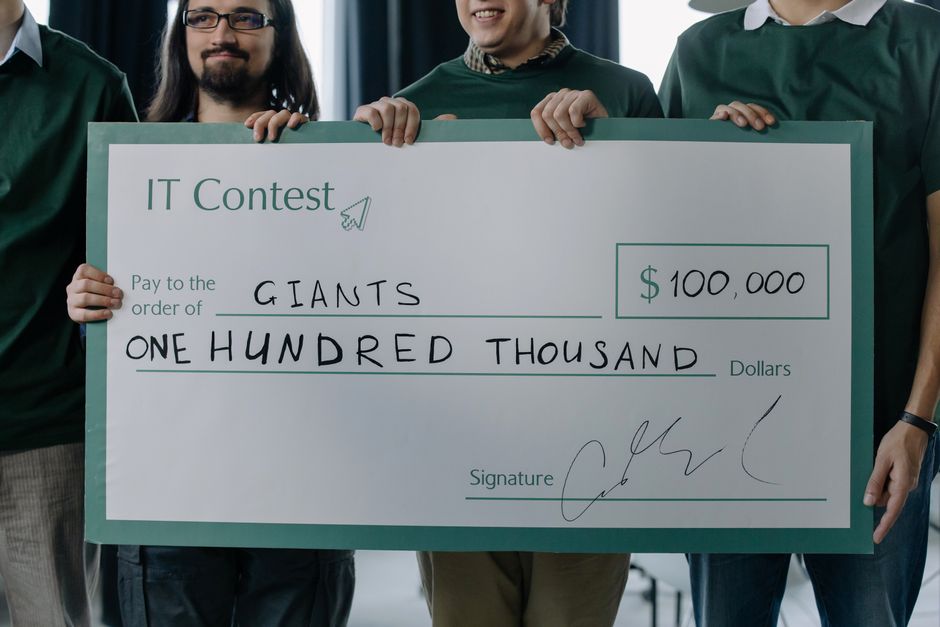
Photo by cottonbro studio (Pexels)
Powerball draws keep delivering those moments that make players lean in a little closer when the numbers hit the screen. This roundup pulls together a few real stories from the official winners gallery, showing how a single ticket can shift things in unexpected ways without any grand plan behind it.
Ginger Russell's Surprise $50,000 Win in Indiana
Ginger Russell from Speedway, Indiana, picked up a $50,000 Powerball prize after a quick stop at Meijer. She does not play Hoosier Lottery games often, but the jackpot sign showing nearly half a billion dollars prompted her to grab a ticket. She meant to buy three but ended up with two, and one of them turned out to be enough. That evening she had planned to watch the drawing, though plans shifted when other commitments came up. Her story reminds us how small decisions at the register can line up just right.
Anonymous Player Claims $1.04 Billion Jackpot in Illinois
An anonymous winner in Illinois stepped forward to claim the $1,040,000,000 Powerball jackpot, the second-largest prize ever recorded in the state. The ticket holder kept their identity private and told officials about the initial shock upon checking the numbers. They even phoned a family member right away to double-check what they were seeing. Nearly a month passed between the drawing and the official confirmation. Stories like this one show how some winners prefer to keep things quiet while still marking the moment. You can read more about staying private after a big win in this guide on lottery anonymity.
Muhammad Salmen Farooq's $50,000 Powerball Hit in Indiana
Muhammad Salmen Farooq also took home $50,000 from a Powerball ticket purchased in Indiana. He was helping a friend move from Michigan to Bloomington so the friend could start classes at Indiana University. Rain forced a quick Walmart stop in Fort Wayne for a tarp, and while there the pair decided to buy tickets because the jackpot had climbed past $500 million. They continued their drive afterward, and the next morning brought the good news. Muhammad phoned his wife right away once he realized what had happened. The everyday errand turned into something memorable without any extra effort.
These wins come from different circumstances yet share the same core feeling of surprise that many players recognize. The Illinois jackpot stands out for its size, while the two Indiana prizes prove that even smaller amounts can arrive at just the right time. Winners often describe the same mix of disbelief and relief when the ticket checks out. For anyone following the draws, it is worth keeping an eye on the official winners gallery where more of these accounts are collected. Lottery play stays a form of entertainment, so keeping it within a comfortable budget helps the fun last longer without added stress.
How Powerball Actually Works, and Why the Jackpot Is So Rare
Powerball asks players to pick five numbers from 1 to 69, plus one additional Powerball number from 1 to 26. To win the jackpot, every single number has to match what is drawn. The odds of doing that are 1 in 292,201,338. That number is worth sitting with for a moment: it means that if you bought one ticket for every single drawing, you would, on average, need to play for well over five and a half million years before hitting the jackpot once. Lower-tier prizes, like the $50,000 wins described above, come from matching fewer numbers and are far more achievable, which is part of why they happen so much more often across a season of draws than the headline jackpot does.
That huge gap between a $50,000 prize and a $1.04 billion jackpot is a good illustration of how lottery prize tiers work in general. Matching all five main numbers plus the Powerball is what triggers the jackpot, but matching four or five numbers without the Powerball (or other combinations, depending on the game's prize table) still pays out a meaningful amount. It is why two players in the same state, buying tickets the same week, can walk away with prizes that look completely different in size.
What Comes After the Win: Decisions Every Big Winner Faces
Once a ticket is confirmed as a winner, the real work often starts. Most lotteries give winners a window of time to come forward and claim a prize, but that window, along with the exact paperwork required, varies by state and by country, so winners need to check the rules that apply where they bought the ticket. Large prizes typically involve a formal claim process through the lottery's own offices rather than a simple cash-out at the retail counter.
One of the first big questions for jackpot winners is whether to take the prize as a lump sum or as an annuity paid out over a number of years. Each option has trade-offs, and the right choice depends on personal circumstances, so it is not something that has a single correct answer for everyone. Tax treatment of lottery winnings also differs significantly depending on where a winner lives and where the ticket was purchased, which is another reason many winners choose to pause before making big decisions and instead bring in a financial advisor, an accountant, or a lawyer who is familiar with how sudden windfalls are handled locally. Some winners, as with the anonymous Illinois jackpot winner above, also look into whether they can keep their name out of public records, since rules on anonymity differ from one jurisdiction to the next. Our guide on staying anonymous after a lottery win walks through that topic in more depth.
Checking Your Numbers and Handling a Winning Ticket
Whether you have a $5 prize or something bigger, the basics of checking a ticket stay the same. Compare your numbers carefully against the official results for the date you played, including the separate Powerball number. It helps to use an official results page or the lottery's own channels rather than relying on memory or a quick glance at a receipt. You can check recent draws on our Powerball results page.
If your numbers do match, a few simple habits go a long way:
- Sign the back of the ticket as soon as you confirm a win, since most lotteries treat a signed ticket as proof of ownership.
- Store the ticket somewhere safe and dry, away from direct sunlight, until you are ready to claim.
- Make a copy or take a clear photo of both sides as a backup record.
- Check the claim deadline and required documents for your specific state or country before visiting a claims office.
- For larger prizes, consider waiting a short time before going public or making major financial moves, so you have time to get advice.
Frequently Asked Questions
How are Powerball jackpot odds calculated?
The odds come from the total number of possible combinations when picking five numbers from 1 to 69 along with one Powerball number from 1 to 26. Together, that works out to 1 in 292,201,338 for matching every number exactly.
Do smaller Powerball prizes have better odds than the jackpot?
Yes. Prizes for matching fewer numbers, such as the $50,000 wins described in this roundup, require fewer correct matches than the full jackpot combination, which is why they are won far more frequently across the course of a year.
Is it better to take a lump sum or annuity payments?
There is no single right answer. It depends on factors like personal financial goals, tax rules in your state or country, and how comfortable you are managing a large sum at once. Many winners consult a financial advisor before deciding.
Can lottery winners stay anonymous?
It depends entirely on where the ticket was purchased. Some states and countries allow winners to remain anonymous, while others require the winner's name to be made public. Check the specific rules for your jurisdiction before assuming either way.
Playing the lottery is meant to be fun. Only spend what you can comfortably afford to lose, and treat any win, large or small, as a pleasant surprise rather than something to plan around.
Source: Winner details via Multi-State Lottery Association