El Gordo Explained: Spain's Christmas Lottery Chat
Published September 8, 2026

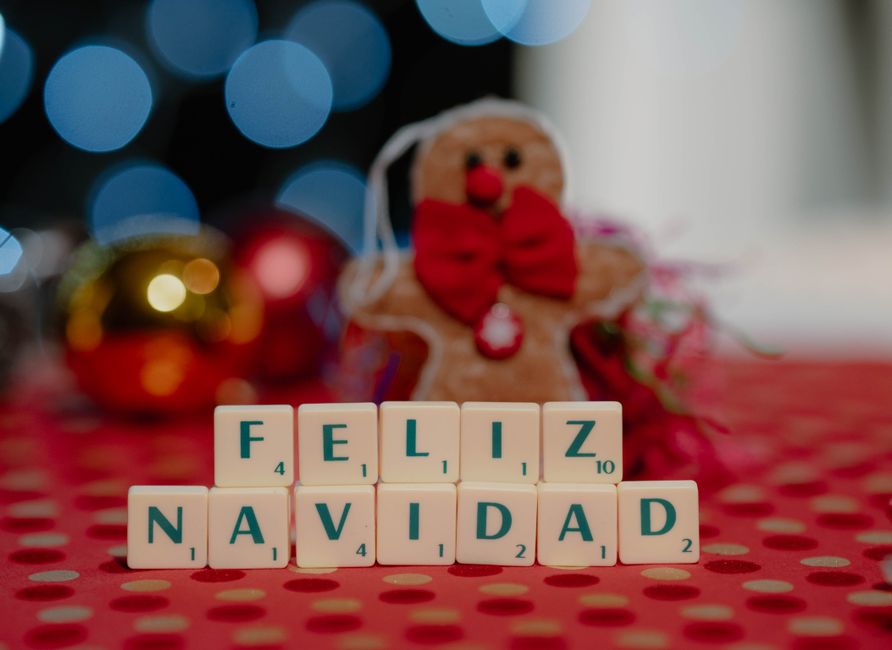
Photo by Viridiana Rivera (Pexels)
Picture this: every December, millions of people across Spain (and plenty of visitors too) get caught up in the excitement of El Gordo, the Christmas lottery that's basically a national event. It's not just another draw with big numbers; it's a whole tradition that feels more like a holiday gathering than a regular game of chance. If you've ever wondered what makes it different from the lotteries we see elsewhere, here's the lowdown as if we're just chatting over coffee.
How the Whole Thing Gets Started
El Gordo, whose full name is Sorteo Extraordinario de Navidad, kicks off ticket sales way back in the summer. The Spanish state lottery sells these big sheets called billetes, but most folks buy a smaller piece called a décimo, which is one-tenth of the full ticket. That way the cost stays reasonable for everyday players. Each décimo has its own number, and when the big day rolls around on December 22, the draw happens in a very public, almost theatrical way at the Teatro Real in Madrid. Kids from the San Ildefonso school pull the balls and sing out the results in that classic chant style. It's broadcast live on TV and radio, so the whole country can follow along.
One thing that sets this apart is the sheer scale of numbers involved. There are thousands of prizes spread out, not just one massive jackpot. The top prize, the actual "El Gordo," gets shared among whoever holds that winning number, and because so many people play, the winning ticket often gets split into tons of décimos. That means a lot of smaller but still life-changing wins instead of one person walking away with everything. If you're curious about how to keep track of your own numbers once the draw happens, this guide on checking lottery numbers walks through the practical side without the usual stress.
What the Prizes Actually Look Like
The prize structure is generous across the board. The main El Gordo prize pays out a hefty amount per décimo, but there are also second and third prizes, plus plenty of smaller ones that cover the cost of the ticket and then some. People often talk about how the money gets spread around neighborhoods and workplaces because groups buy together. That communal feel is part of the charm. Of course, like any lottery, it's smart to only spend what you can afford to lose and treat it as a bit of festive fun rather than a financial plan.
Quick facts on the draw:
- Date: Always December 22
- Format: Numbers drawn by schoolchildren with songs
- Tickets: Sold as décimos for easier sharing
- Top prize: Split among many holders of the same number
Why It Feels Different from Other Lotteries
Compared to something like Powerball or EuroMillions, El Gordo leans into the social side. Offices, families, and even bars pool their money for certain numbers that have sentimental value, like birthdays or anniversaries. The draw itself lasts for hours because they announce so many categories, and the tension builds slowly instead of ending in one quick reveal. It's become a cultural moment where people stop and listen, almost like a holiday special on TV. For more background on its long history and how the organization has evolved over the years, the Wikipedia page on the Spanish Christmas Lottery gives a solid overview without getting too technical.
In practice, if you're not in Spain, you might still hear about it through news clips or friends who travel there around the holidays. Some folks collect the décimos as souvenirs because the artwork on the tickets changes every year and often features festive scenes. The odds of hitting the absolute top prize are long, as with any lottery, but the volume of smaller prizes means more people go home with something to celebrate. That balance keeps the excitement alive year after year.
Following Along Without the Headache
If the idea of tuning into the live draw sounds appealing, plenty of streams pop up online closer to the date. Just remember that official results come from the state operator, and it's worth double-checking any number you think might be a winner. Groups that play together usually have one person in charge of the tickets, which avoids mix-ups when the numbers start coming out. The whole experience stays light because it's tied to the Christmas season rather than feeling like a high-pressure event.
Over time, El Gordo has stayed remarkably consistent in its format even as other lotteries modernize. That old-school charm, combined with the real possibility of a nice payout for a modest stake, is what keeps people coming back. Whether you're a regular player or just curious about the tradition, it offers a nice window into how lotteries can feel like community events instead of solitary bets. And hey, if nothing else, it's a fun excuse to learn a little Spanish while the kids sing the results.